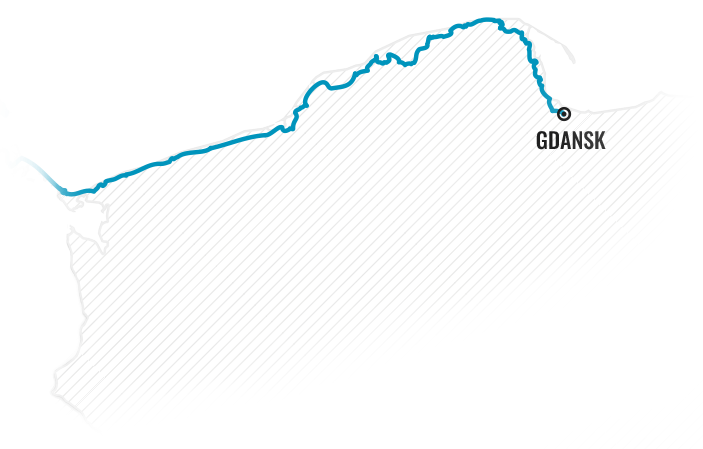
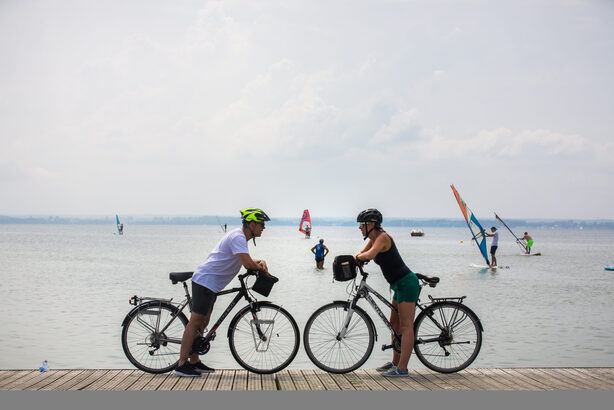
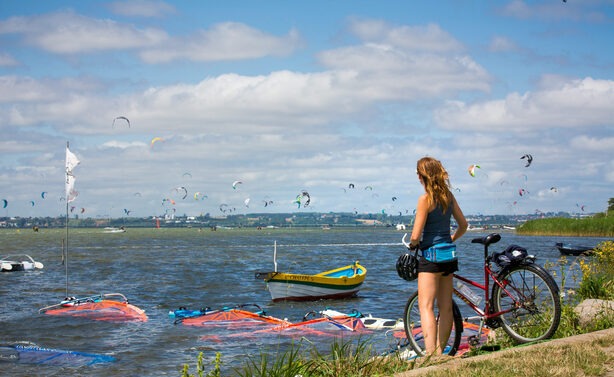
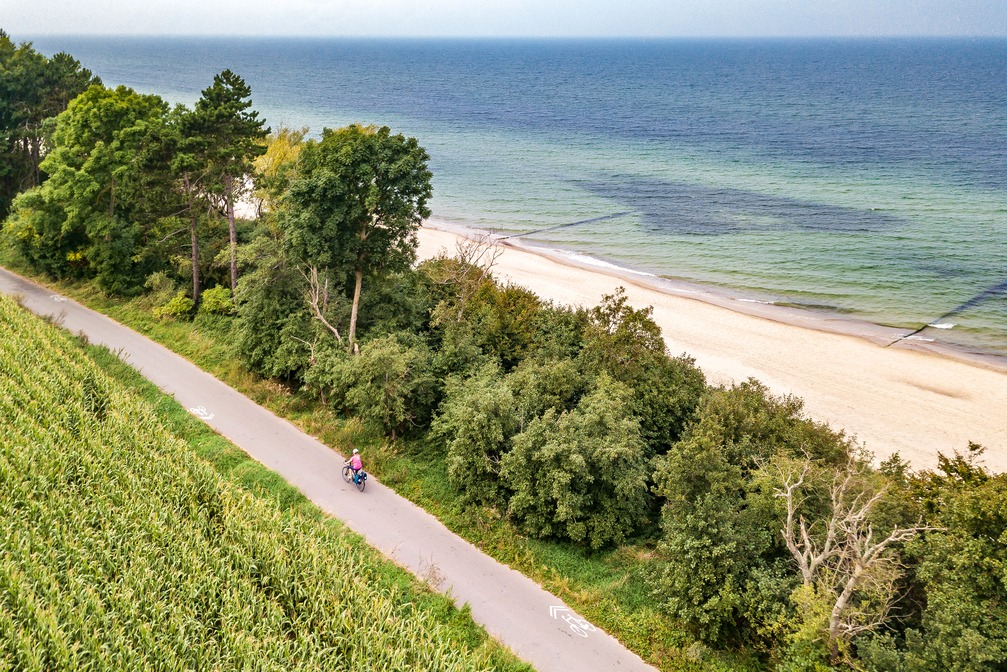
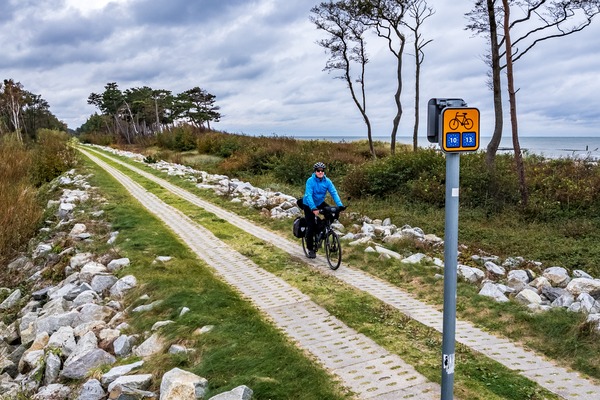
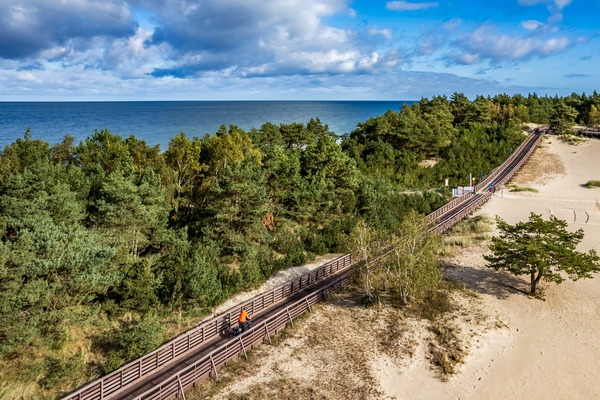
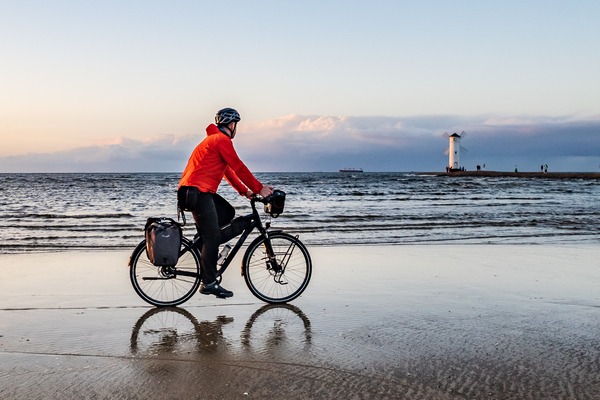
The Baltic Sea is the guiding theme of the EuroVelo 10 route in the Pomeranian Province, while EuroVelo 13 follows the former borders of the Eastern Bloc countries. The tourist appeal is based on the maritime heritage, cultural diversity of the region, and coastal landscape. The symbolism of the fall of communism is linked to visiting the European Solidarity Center, which gives significance to the Iron Curtain Trail. The combination of both themes into one route connects historical and spatial threads. The route runs along the coast through the Słowiński National Park, the Hel Peninsula, and the Vistula Spit, providing access to cycling infrastructure, ferry crossings, and rest stops.
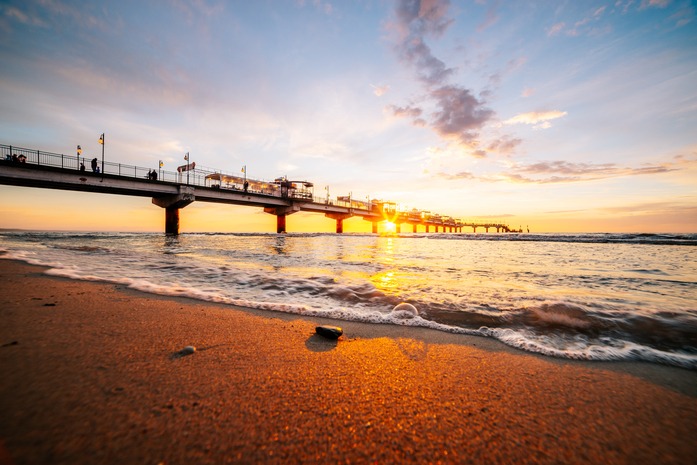
The Międzyzdroje Pier is one of the most iconic stops along the EuroVelo 10 cycling route on the Polish Baltic coast. Stretching far into the sea, it offers beautiful views of the shoreline and a perfect spot to pause during your ride. Cyclists can easily access the pier area, which is surrounded by bike-friendly paths, lively promenades, and plenty of places to grab a snack or coffee. It’s an ideal location to relax, enjoy the coastal atmosphere, and take in the charm of this popular seaside resort before continuing your journey.
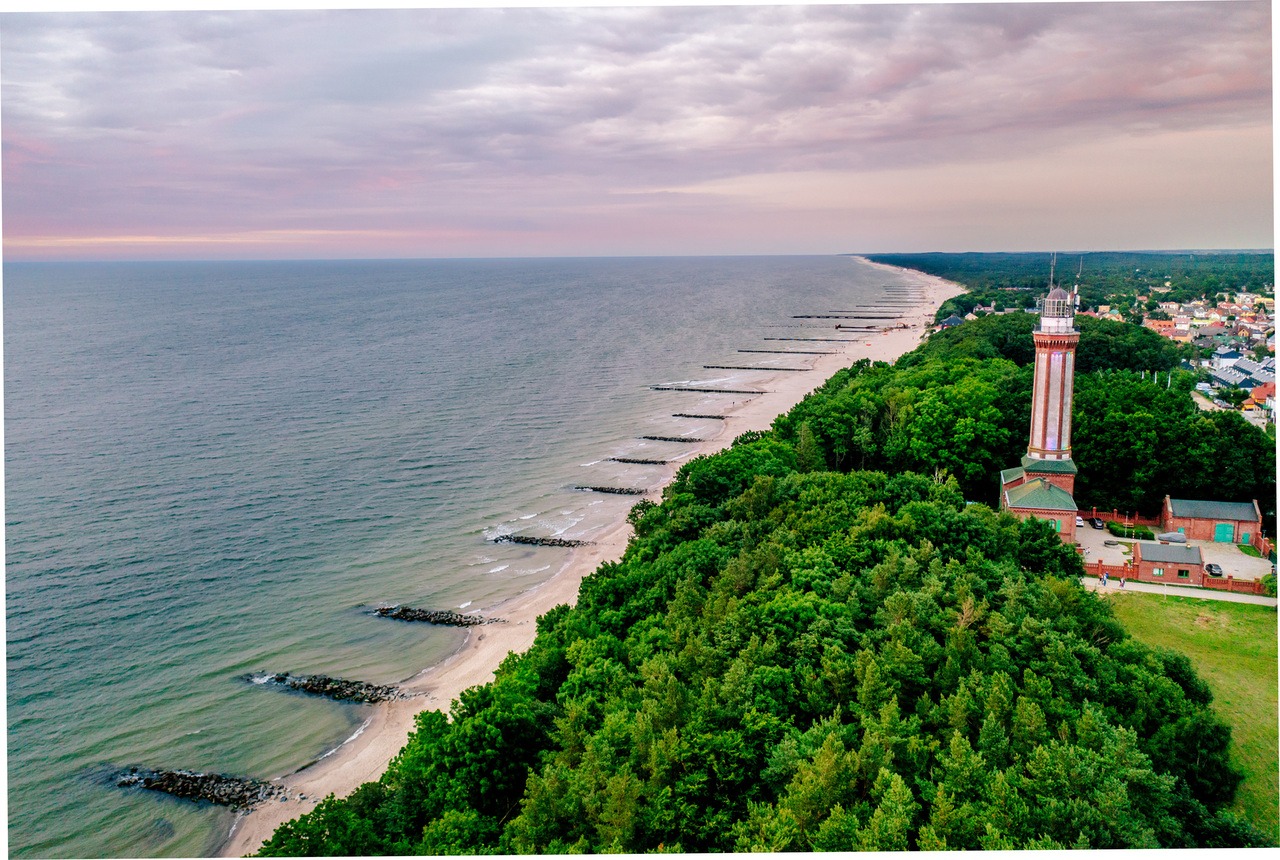
The Niechorze Lighthouse is a scenic highlight along the EuroVelo 10 cycling route. Perched on a high cliff, this impressive lighthouse rewards visitors with breathtaking views over the Baltic Sea and surrounding coastline. It’s well worth a short uphill detour for cyclists looking to stretch their legs and enjoy a memorable panorama. The quiet surroundings and nearby cycling paths make it a perfect spot for a peaceful break before continuing your journey along the coast.
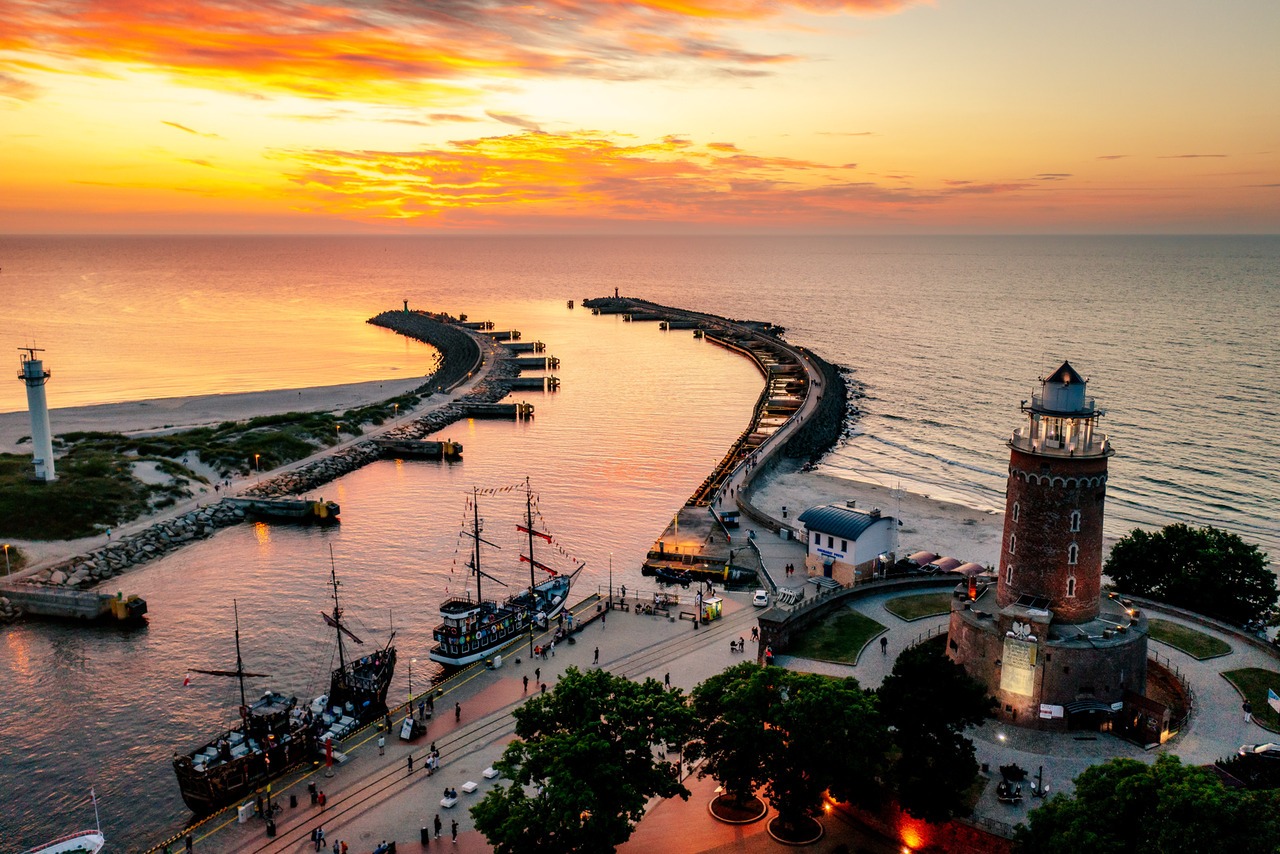
The Kołobrzeg Lighthouse is a must-see stop for cyclists traveling along the EuroVelo 10 route. Located right by the Baltic coast, this historic lighthouse offers stunning panoramic views of the sea, the harbor, and the surrounding town. It’s an ideal place to take a short break, enjoy the fresh sea breeze, and capture memorable photos. The area around the lighthouse is bike-friendly, with easy access paths and nearby cafés where you can relax before continuing your journey.
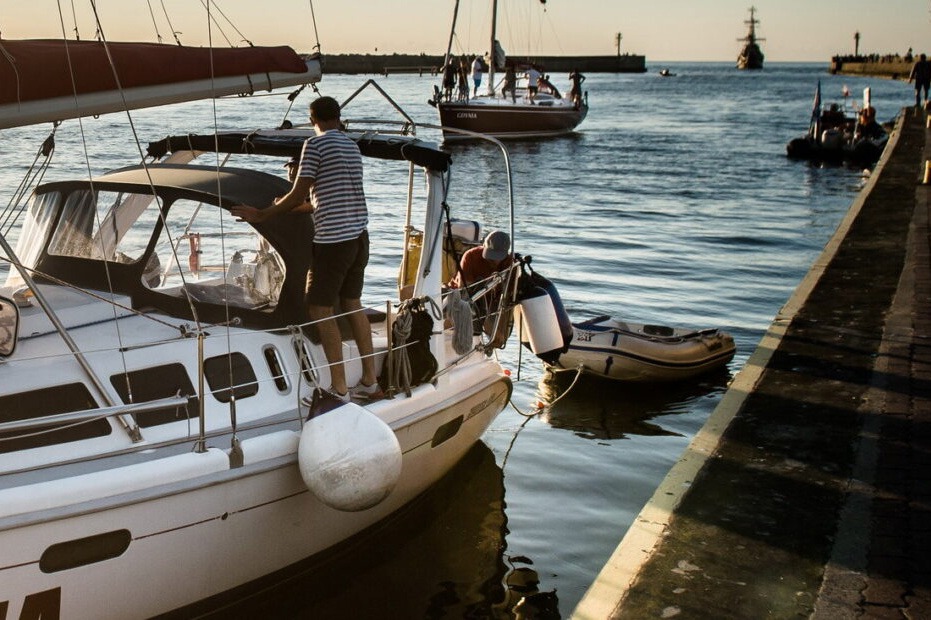
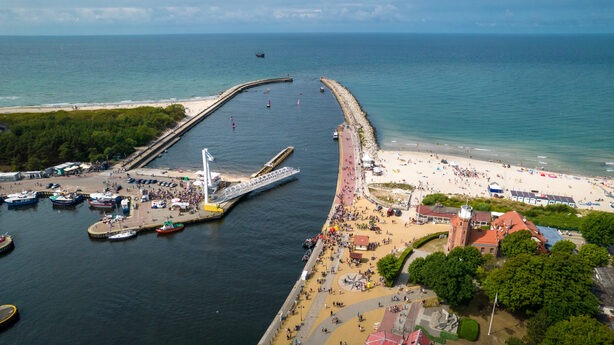
Ustka is a seaside resort with the charm of an old port town. Here you’ll find wide beaches, historic fishermen’s cottages and a bustling promenade. The town’s landmarks include the harbour and the swing bridge connecting the two parts of Ustka. It’s a great place to take a break – there are cafés, fish and chip shops and other shops. Ustka combines a holiday atmosphere with an interesting maritime history.
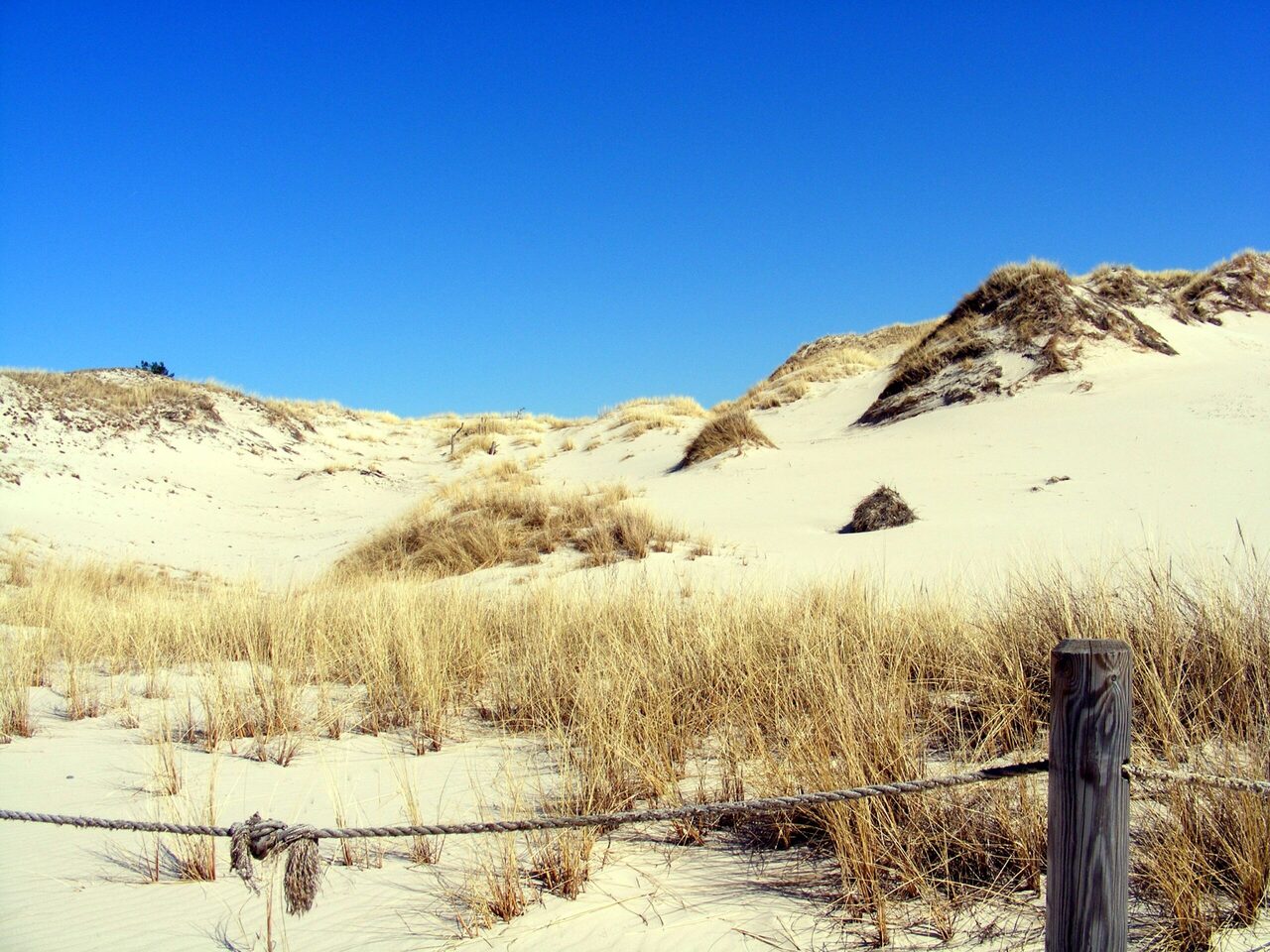
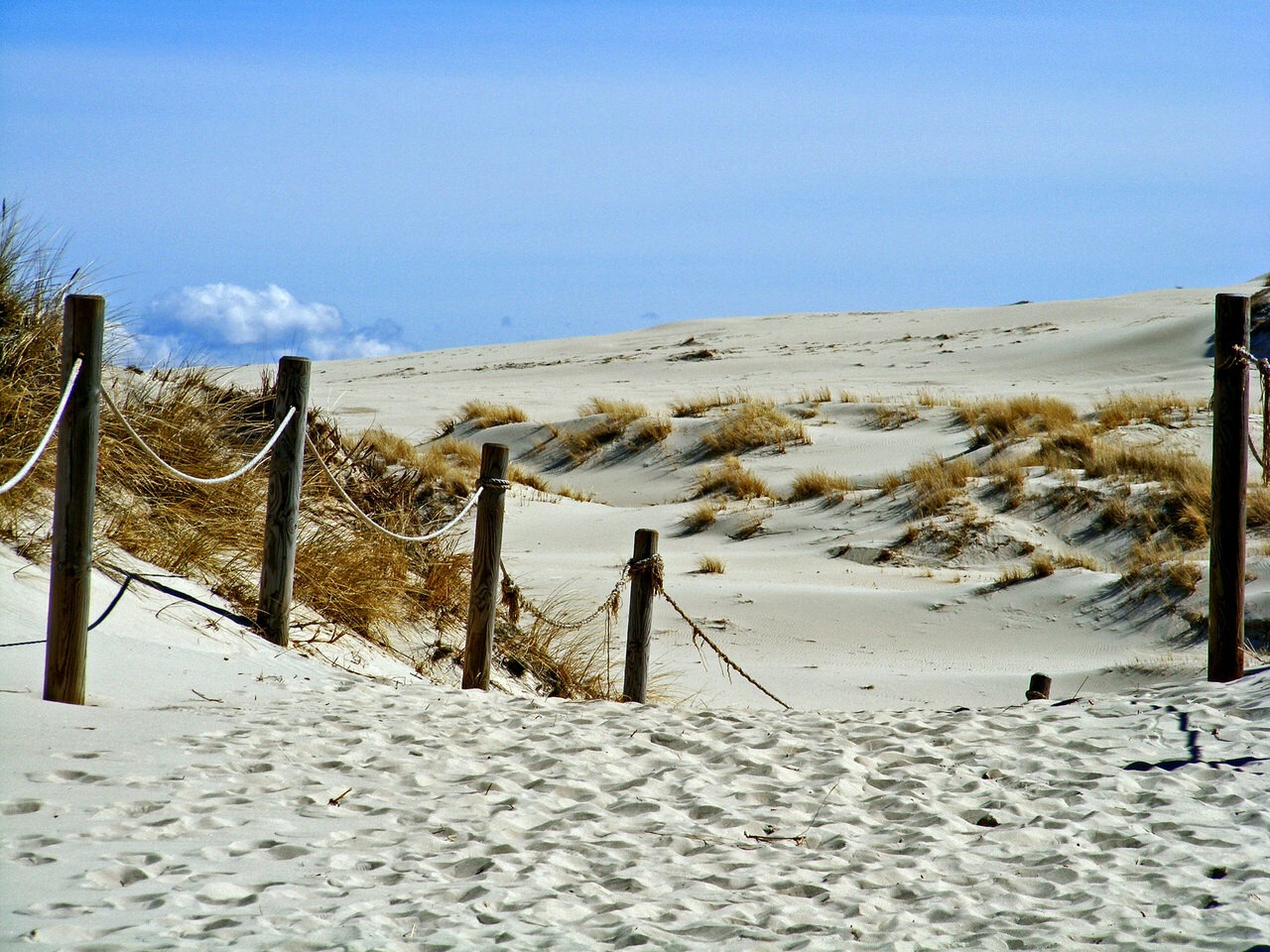
The lighthouse in Czołpino stands right in the heart of the dunes of Słowiński National Park. To reach it, you have to walk through the forest and across shifting sands, which is an adventure in itself. From the top, there is a view of the Baltic Sea and vast expanses of dunes. It is one of the wildest and most picturesque places on the Polish coast. An ideal stop for nature lovers and photographers.
The Słowiński National Park is a place where you will see the seaside forest, large coastal lakes, marshes and peat bogs, a holy mountain, a lighthouse, a historic village, a German rocket-testing ground, and primarily “the Pomeranian desert” – the shifting dunes.
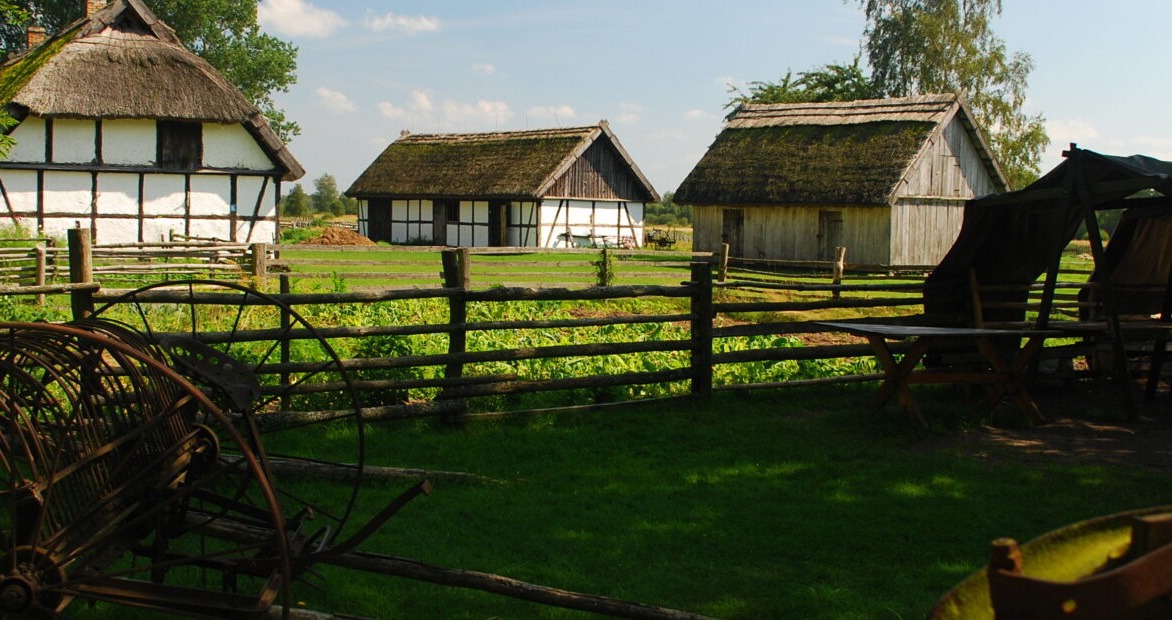
The open-air museum in Kluki shows how the ancient inhabitants of this area – the Slovincians – used to live. Here you can see traditional cottages, barns and everyday tools. Many of the buildings are original and have been moved here from nearby villages. It is a peaceful, green spot where it is easy to step back in time. A great educational stop on a cycle route.
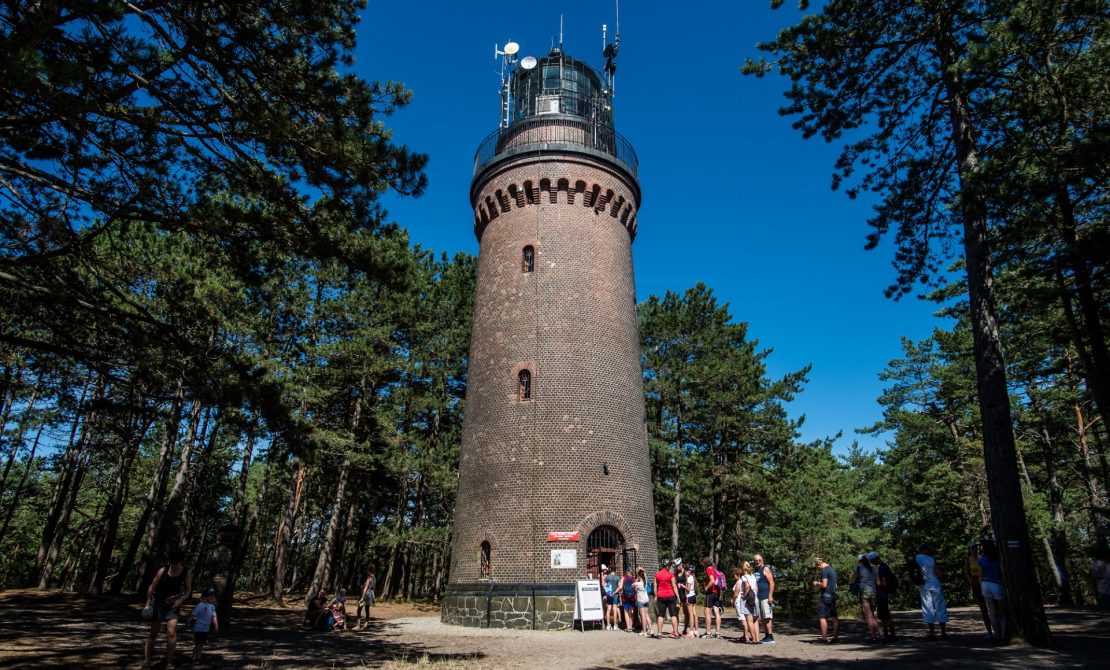
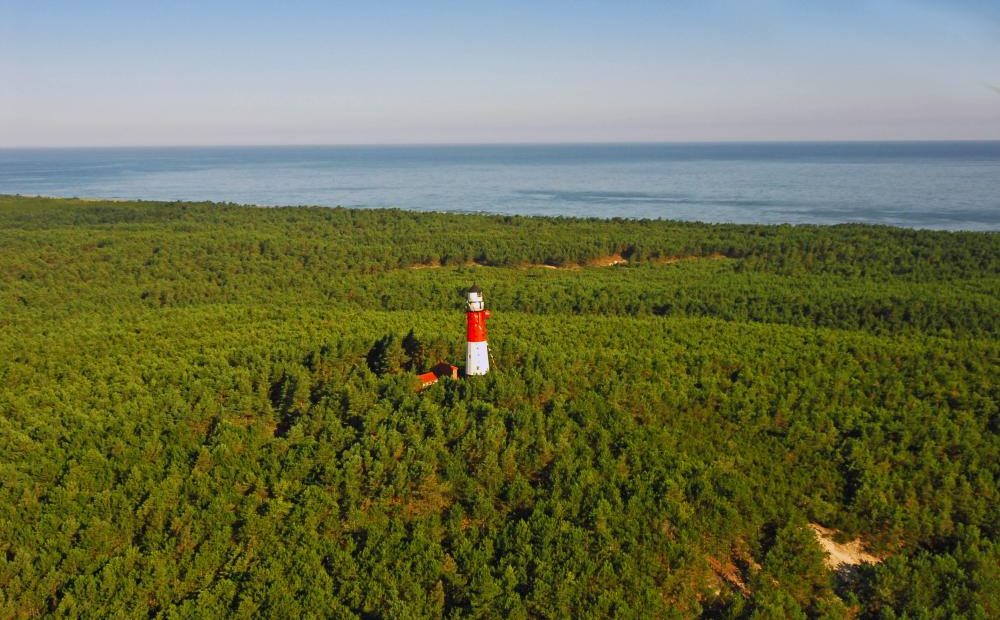
The Stilo Lighthouse stands out thanks to its colourful stripes and its location amidst the woods near the sea. It is one of the most photogenic lighthouses on the Polish coast. The climb to the top is rewarded with a view of the Baltic Sea and the coastal forests. The path to the lighthouse leads through peaceful, wooded areas – perfect for a bike stop. The place combines the atmosphere of nature with the history of maritime navigation.
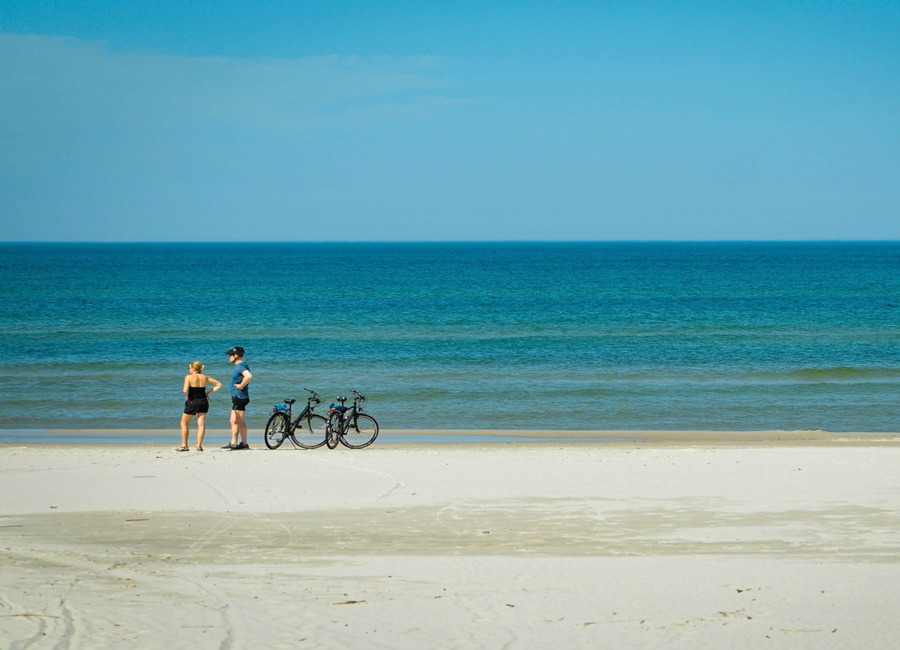
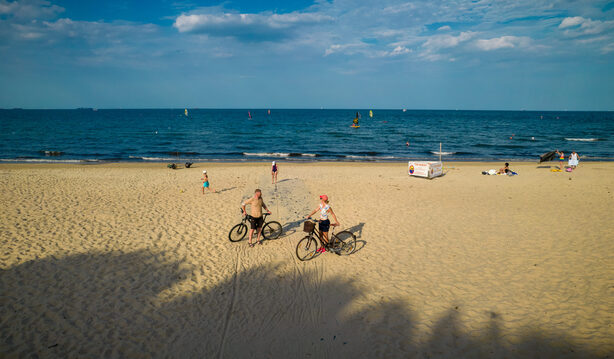
The beach at Lubiatowo is considered one of the most beautiful and unspoilt in Poland. Wide, sandy and surrounded by forests, it offers a sense of space and tranquillity. There are no crowds or noisy promenades here, just nature and the sound of the waves. It is the perfect place to rest during a long cycle ride. A genuine seaside atmosphere without the commercial hustle and bustle
Dębki is a small, charming village on the Baltic coast. One of the main attractions here is a canoe trip down the Piaśnica River, which flows into the sea. The route is calm, picturesque and suitable even for beginners. The combination of the river, forests and sea creates a unique landscape. It’s a great way to take an active break from cycling.
Jastrzębia Góra is the northernmost point of Poland. The cliffs and high shores make the views here exceptionally spectacular. Nearby is the Rozewie lighthouse – one of the oldest on the Polish coast. The area combines a seaside resort with an interesting maritime history. It’s a great place to stop and take in the panoramic view of the Baltic Sea.
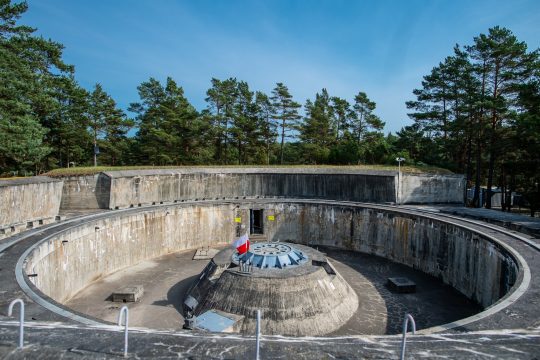
The Hel Peninsula is home to numerous fortifications and bunkers dating from the Second World War. Some of them are open to visitors, whilst others lie hidden in the woods and dunes. These are the remains of a heavily fortified coastal defence zone. The place has a stark, historic feel and contrasts with the holiday atmosphere of Hel. For history buffs, it is a must-see.
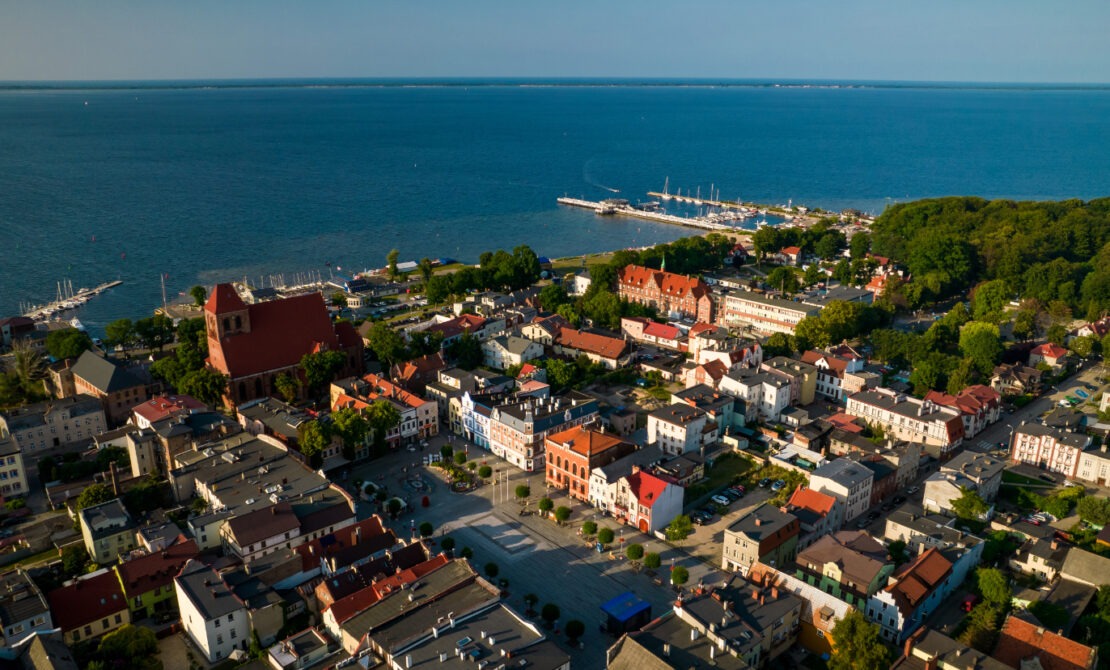
Puck is a historic town on Puck Bay, with a charming market square and harbour. It is famous for its seafaring traditions and water sports. A stroll along the pier and the waterfront is a great way to relax after a bike ride. The town also boasts a historic church and traces of its former port character. It’s a pleasant, quieter stop than the larger resorts.
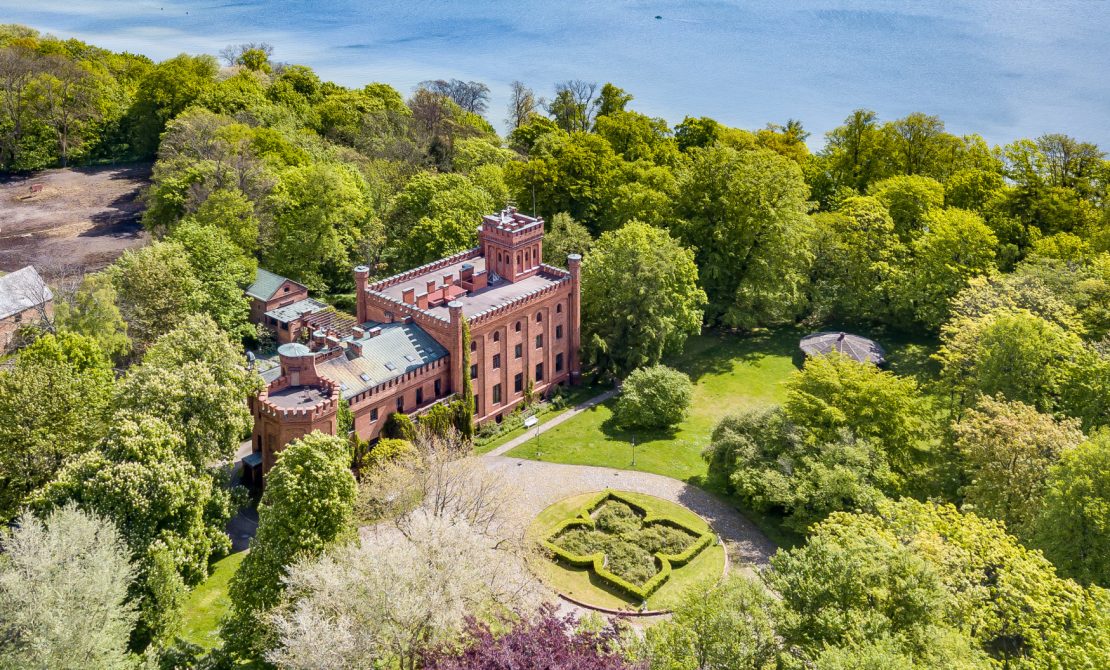
The palace in Rzucewo, known as Jan III Sobieski’s castle, stands right on the shores of Puck Bay. Although its current form dates from the 19th century, the site has a much older history. Surrounded by a park and close to the water, it creates a picturesque landscape. It is a peaceful spot with views of the bay and the Hel Peninsula. Today, it houses a hotel and a restaurant.
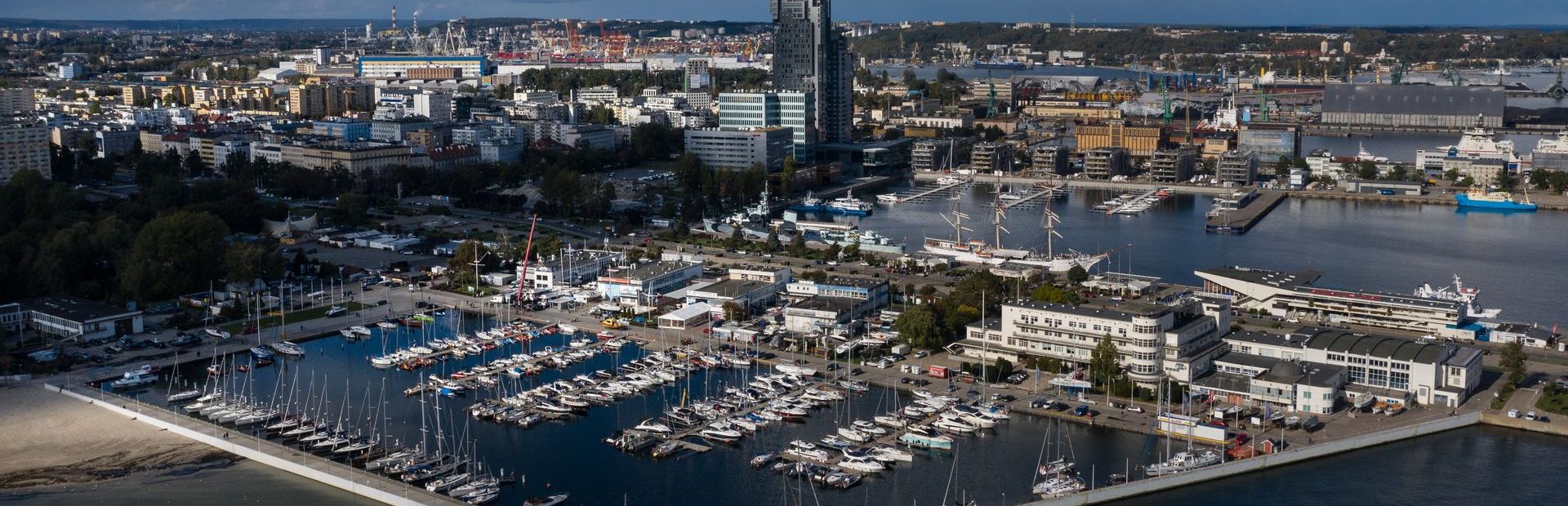
Gdynia is one of the youngest cities in Poland and a true capital of modernism. Many buildings from the 1920s and 1930s have been preserved in the city centre. The distinctive white townhouses give the city a unique, maritime style. It’s worth popping into Kościuszko Square to see the historic ships moored at the quayside. Gdynia combines the history of its port with a modern vibe.
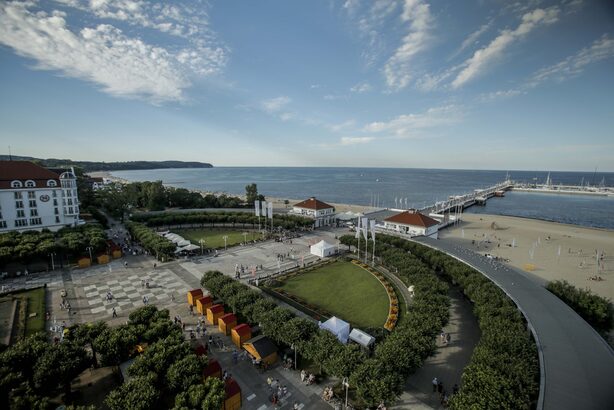
Sopot is the most famous seaside resort on the Polish Baltic coast. It is renowned for having the longest wooden pier in Europe and its elegant spa architecture. The Monte Cassino Promenade is bustling with life all year round. The town combines a beach atmosphere with a cultural vibe – concerts and festivals are held here. It’s a great place for a longer stop and a coffee by the beach.
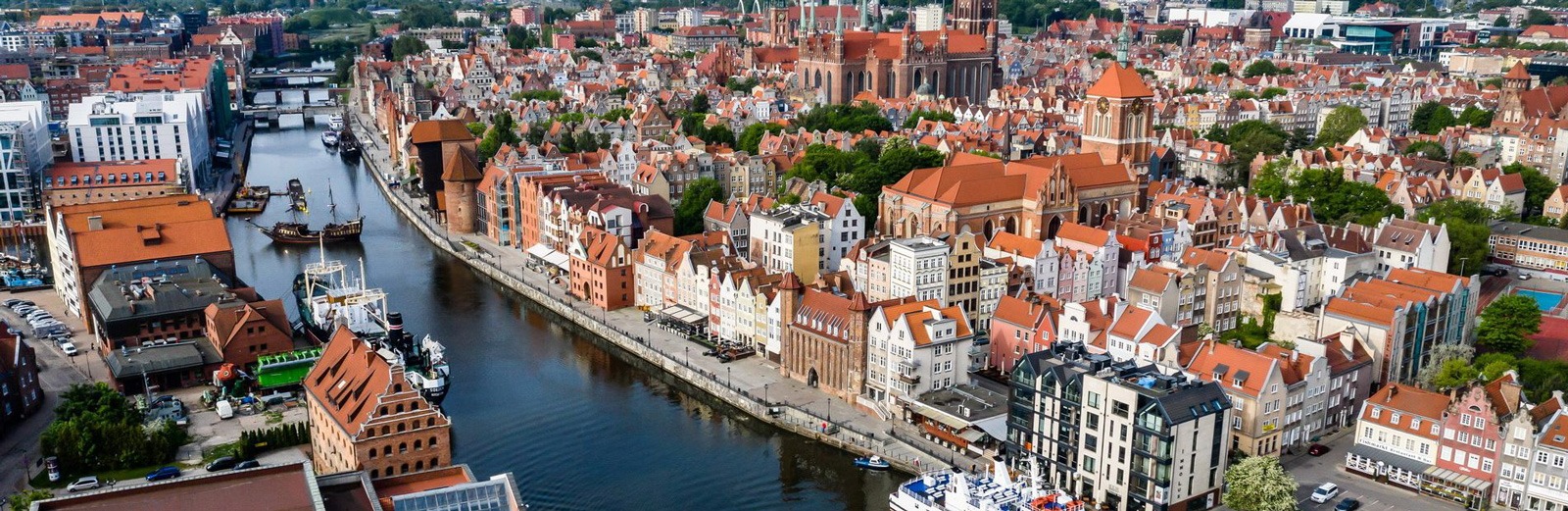
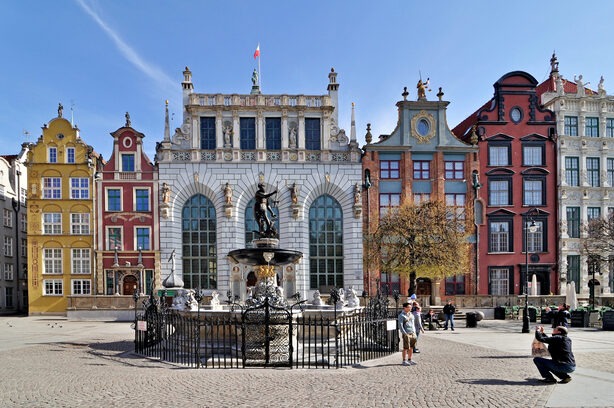
Gdańsk is one of the most beautiful cities in Poland, steeped in history and Hanseatic architecture. Długa Street and Długi Targ lead through the heart of the historic centre. Along the Motława River stand the distinctive granaries and the Crane – a former port crane. The city has played a key role in European history, from the days of the Hanseatic League to the birth of Solidarity. It is a unique end to the coastal cycle route.